Last Updated on November 17, 2026
GreenLife vs WearEver cookware is a comparison worth making if you want an affordable pan or set but are unsure which coating, construction, and care requirements suit your kitchen. Both names are associated with aluminum cookware, yet neither brand has just one uniform product line. A ceramic-coated GreenLife skillet and an older WearEver traditional nonstick pan should not be treated as identical to every other product under those names.
Quick answer: GreenLife is a straightforward choice if your priority is a modern ceramic nonstick surface made without PTFE or PFAS. WearEver is worth considering when a specific pan offers the size, construction, or price you want, but its coating and compatibility must be checked by model. Neither label alone guarantees a particular oven temperature, dishwasher rating, warranty, or induction base.
GreenLife vs WearEver Cookware: Quick Comparison
| Feature | GreenLife | WearEver |
|---|---|---|
| Common construction | Aluminum body; ceramic nonstick interior in the brand’s main cookware collections | Depends on the line; aluminum is common, with different coating types across product families |
| Nonstick coating | Thermolon ceramic; advertised as free of PTFE and other PFAS | Some models use traditional nonstick; WearEver Pure Living products use ceramic nonstick |
| Oven-safe limit | Model-specific; Soft Grip sets commonly list 350°F, while other collections differ | Model-specific; check the pan, lid and handle instructions |
| Induction | Available on specific induction-ready collections, not every set | Do not assume compatibility; check for an induction-ready base |
| Dishwasher | Some lines are dishwasher-safe; gentle hand washing helps preserve the coating | Depends on the model and coating |
| Best fit | Buyers seeking a current ceramic nonstick line with clear collection information | Buyers comparing a known WearEver model at a suitable price |
Important for 2027 shopping: specifications above describe product families, not a promise about every pan sold under either brand. Check the exact model number before buying, particularly if you use an induction stove or cook in the oven.
What Makes GreenLife Cookware Different?
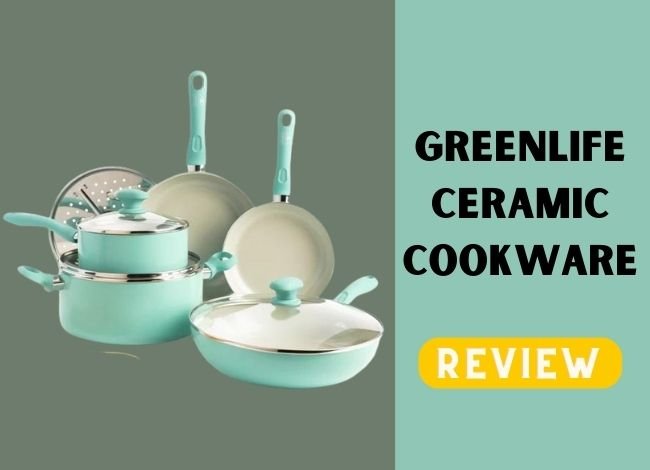
GreenLife emphasizes its Thermolon ceramic nonstick surface. The manufacturer describes that coating as free of PTFE, other PFAS, lead and cadmium. Its aluminum bodies heat relatively quickly, which is convenient for eggs, vegetables, pancakes, and other everyday low- to medium-heat cooking.
GreenLife’s collections are not interchangeable. For example, the Soft Grip 16-piece set is listed as oven-safe to 350°F and unsuitable for induction, whereas induction-ready collections have specially designed bases. Some products with detachable handles have different oven limits for the pan, lid and handle. That is why a blanket claim such as “all GreenLife cookware is oven-safe to 450°F” would be misleading.
Ceramic nonstick surfaces are easy to clean when cared for properly, but their food-release performance can decline with heavy use or prolonged high heat. Avoid abrasive pads, sudden temperature changes and cooking sprays unless the individual manufacturer’s instructions expressly allow them. For a deeper look at the company’s collections, read our GreenLife ceramic cookware reviews.
What Makes WearEver Cookware Different?
WearEver has been associated with more than one type of aluminum cookware over time. Some products use conventional nonstick coatings, while the Pure Living line is known for ceramic-coated pans. That difference matters much more than the brand name when comparing a pan with GreenLife.
Because individual WearEver models and generations can vary, check the actual model’s coating, induction suitability, maximum oven temperature, lid material and care directions. Do not assume all WearEver pans are PTFE-free or that all have the same warranty. A secondhand or older listing may describe specifications that do not apply to a newer product.
For examples of the ceramic lineup, see our WearEver ceramic cookware reviews. Compare the model number there with the one you’re considering; don’t rely on a photograph alone.
The Biggest Differences: Coating, Heat and Convenience
1. Ceramic vs traditional nonstick
If avoiding PTFE is a priority, GreenLife’s Thermolon range has a clear advantage over a WearEver model that uses conventional PTFE-based nonstick. However, a WearEver ceramic-coated model belongs in a ceramic-to-ceramic comparison rather than being automatically described as traditional nonstick. A manufacturer’s claim about a coating being PFAS-free refers to that coating; it is not proof that a pan has been independently tested by this website.
2. Oven safety and handles
Oven limits are determined by the complete item, including the handle and any glass lid. A soft-touch handle may have a lower heat limit than a metal handle. When an online article gives a single temperature for a whole brand, it can cause an expensive—and potentially unsafe—mistake. Use the label and care guide for your exact pan.
3. Induction cooktops
Most regular aluminum pans need a magnetic induction-compatible base to work on induction. A flat-bottom pan is not automatically induction-ready. Look for the induction symbol or a confirmed product specification; you can also test a suitable magnetic base with a magnet before use.
4. Cleaning and durability
Both types of nonstick cookware benefit from moderate heat, soft utensils, and hand washing. A manufacturer may describe a particular product as dishwasher-safe, but routine dishwashing can still shorten the life of a delicate nonstick surface. For sticky residues, let the pan cool, soak briefly, and wash with a soft sponge rather than scrubbing aggressively.
Which Should You Buy in 2027?
- Choose GreenLife if you prefer a readily identifiable ceramic nonstick range, mainly cook on low or medium heat, and can verify the collection’s oven and stovetop compatibility.
- Consider WearEver if you have found a specific well-documented model at a good value, particularly if you can compare its coating, size and warranty directly.
- Choose neither without checking if you need high-heat searing, frequent broiling or heavy-duty metal-utensil use. Uncoated stainless steel or cast iron may be a better fit for those jobs.
If you’re choosing between ceramic styles rather than brands, our GreenPan Rio vs GreenLife comparison explains another common option. You can also compare the broader category in our ceramic nonstick vs Teflon cookware guide.
Frequently Asked Questions
Is all WearEver cookware ceramic? No. WearEver has offered different cookware lines, so look at the coating description for the exact model.
Is GreenLife free of PTFE? GreenLife says its Thermolon ceramic nonstick coating is free of PTFE and other PFAS. Follow the manufacturer’s current specifications for the item you buy.
Can GreenLife pans go in the oven? Many can, but the permitted temperature varies by collection, handle and lid. Do not assume a 450°F limit across the brand.
Can I use either brand on induction? Only if the particular model has an induction-compatible base. Not every GreenLife or WearEver set does.
Final Verdict
In the GreenLife vs WearEver cookware decision, prioritize the coating type and the exact pan specifications, not broad claims about which brand is “healthier” or automatically more durable. GreenLife is easier to recommend for shoppers specifically seeking a modern ceramic nonstick range. WearEver can be suitable, especially when a particular model meets your needs, but verify its materials and manufacturer instructions before you buy.